
Latest posts
-
Pause Before Declare: A Final-Turn Indian Rummy Check
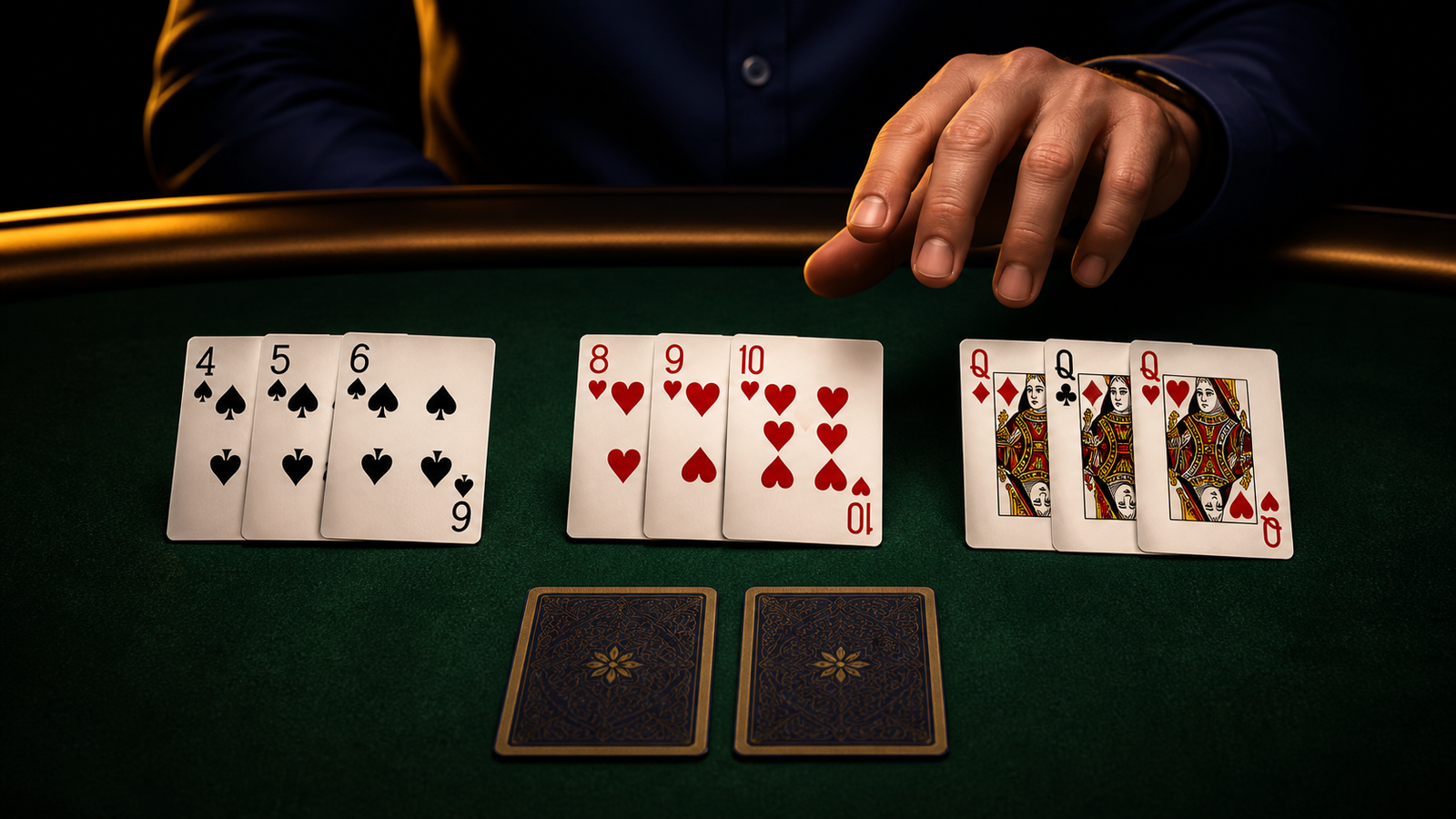
Check the 14-card moment, choose the discard, regroup 13 cards and validate every group before declaring.
-
Two Jokers, Two Jobs: Allocate Them Across an Indian Rummy Hand

Give each Joker a declaration-critical job, keep the pure sequence natural, and reassign when a natural card arrives.
-
Two Same-Rank Discards: What the Signal Means in Indian Rummy

Record what was actually discarded, separate fact from inference, and avoid breaking your own strong groups for a weak signal.
-
One Card, Two Sequence Routes: Resolve Overlaps in Indian Rummy

Compare two candidate runs, assign the shared card to one final group, and rebuild the other route before declaring.
-
Pure Sequence vs ‘Pure Set’: What Indian Rummy Rules Actually Require

Separate the mandatory pure-sequence rule from set validity so you can group natural cards and Jokers without confusing the two tests.
-
13 or 14 Cards? A Turn-by-Turn Indian Rummy Card-Count Check
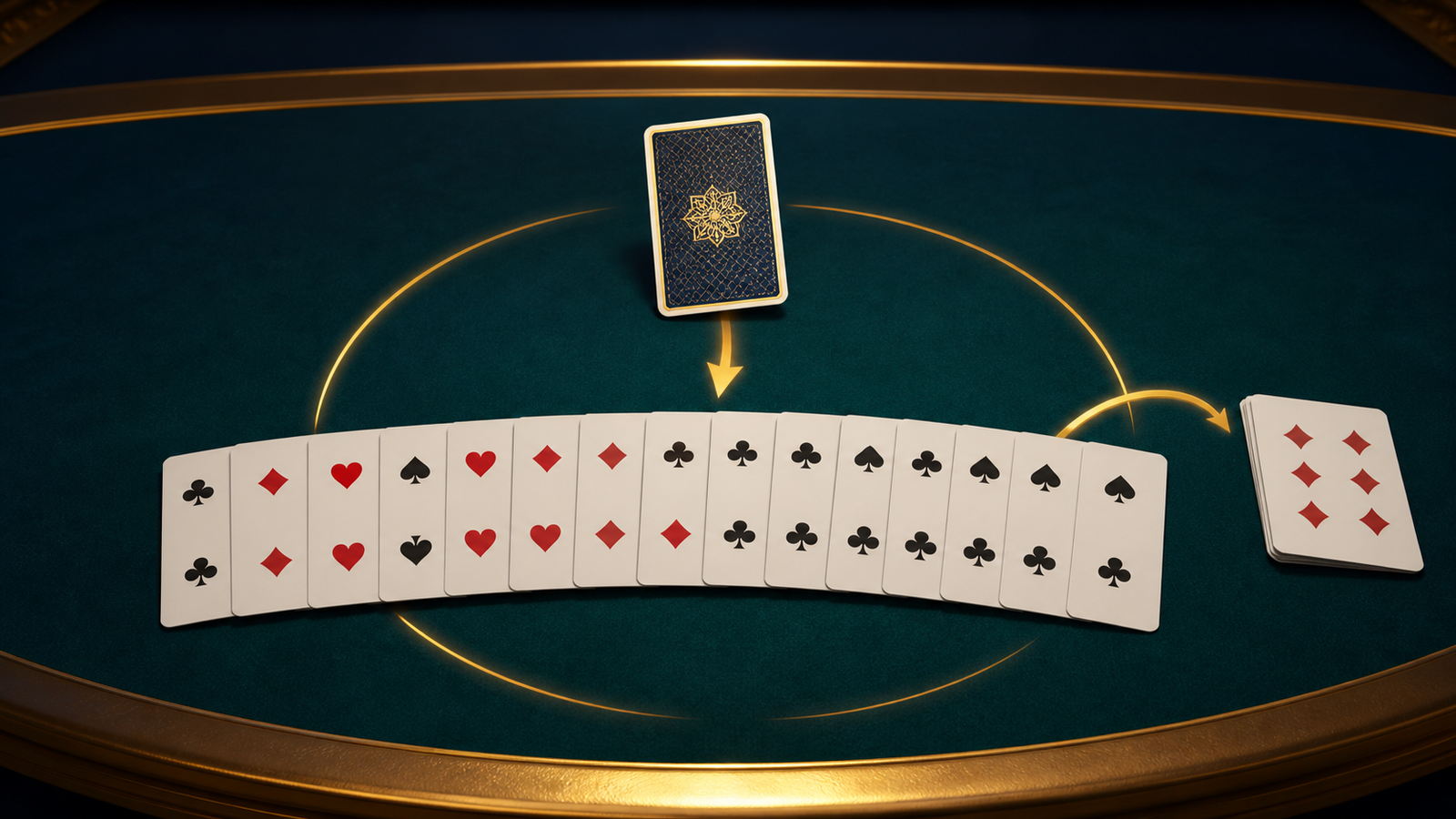
Track the 13-card starting hand, the temporary 14th card after a draw, and the return to 13 after a discard.
-
Opponent Picked the Open Pile? Use This Indian Rummy Response Check

Treat an open-pile pickup as one useful signal, then compare connected ranks, point exposure and your own sequence needs before discarding.
-
Backup Pure-Sequence Routes: Avoid One-Path Hands in Indian Rummy
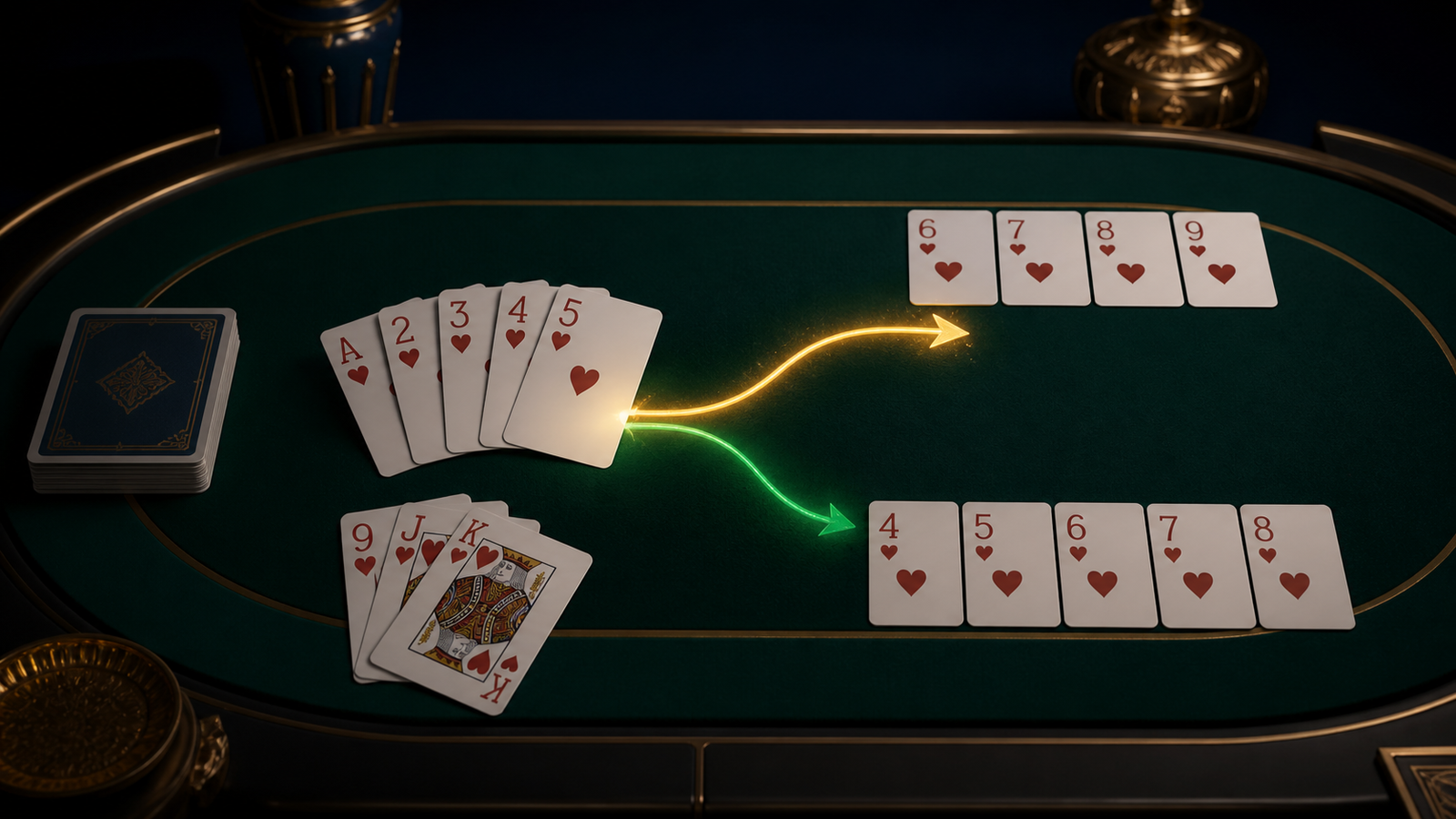
Use a two-route checklist to protect the strongest pure-sequence path while keeping a realistic natural backup available.
-
Duplicate Cards in Multi-Deck Indian Rummy: A Set-Check Guide
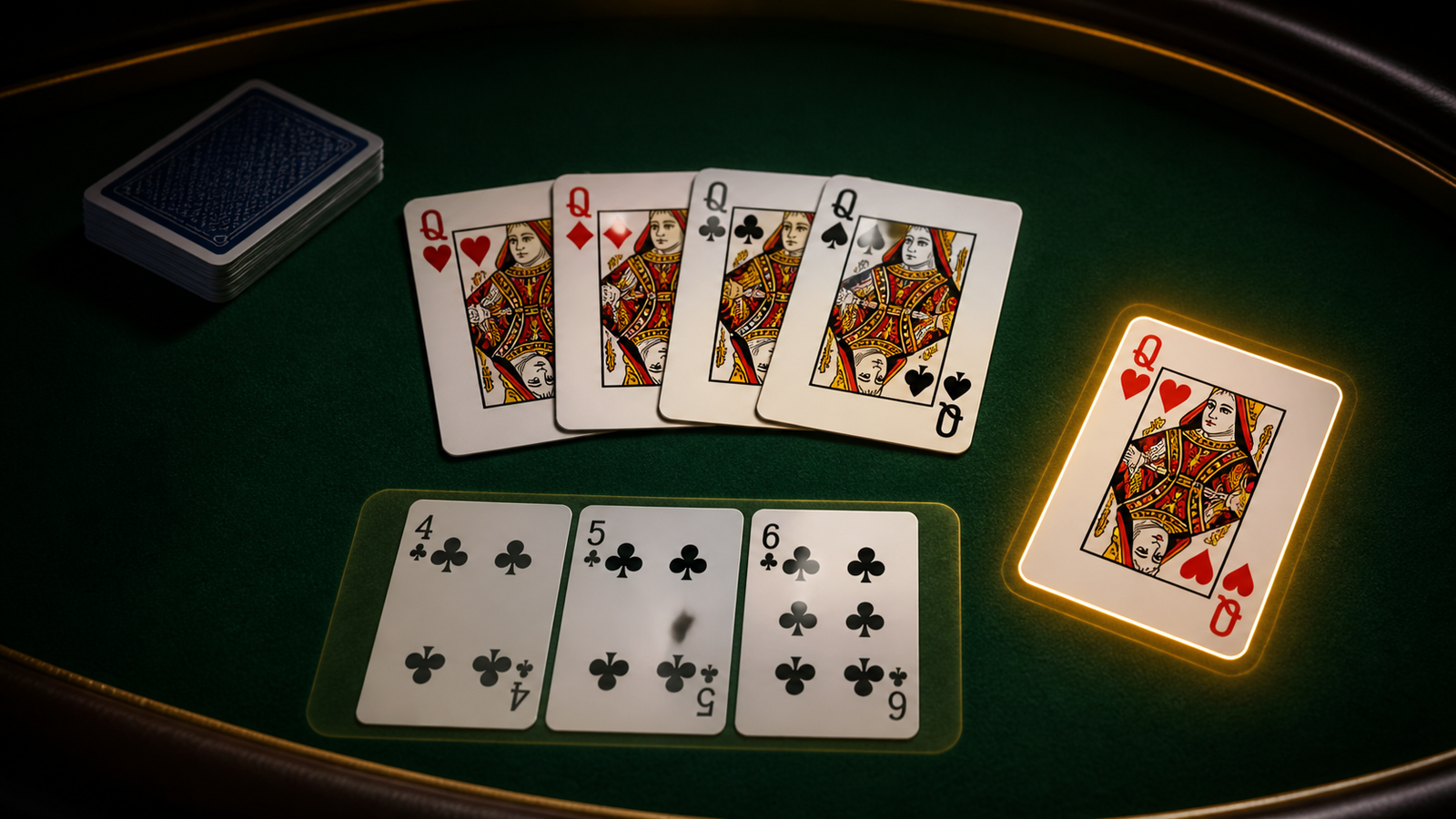
Use a declaration checklist to separate a valid same-rank set from a duplicate-card grouping that the active table may reject.
-
Wild Joker Revealed: Recheck Your Indian Rummy Hand in Four Steps

Re-sort the hand after the wild Joker reveal so natural pure-sequence cards, substitute options and loose-point risk remain clear.