
Master Rummy News
Read app updates, rummy guides, gameplay notes, and responsible gaming articles.
 Hand Grouping
Do Your Rummy Groups Account for All 13 Cards?
Four neat groups can still leave a card outside. Count the cards in each group before checking whether the whole hand is ready.
Read More → Beginner Technique
Same Colour, Different Suit: Check Your Rummy Sequence
A red six between a red five and seven can still break a sequence. Read the suit symbol on every card, not just its colour.
Read More → Sequence Grouping
Can You Split a Six-Card Run into Two Pure Sequences?
A long natural run can hide two valid groups. Check the split point, then audit the seven cards outside that run.
Read More →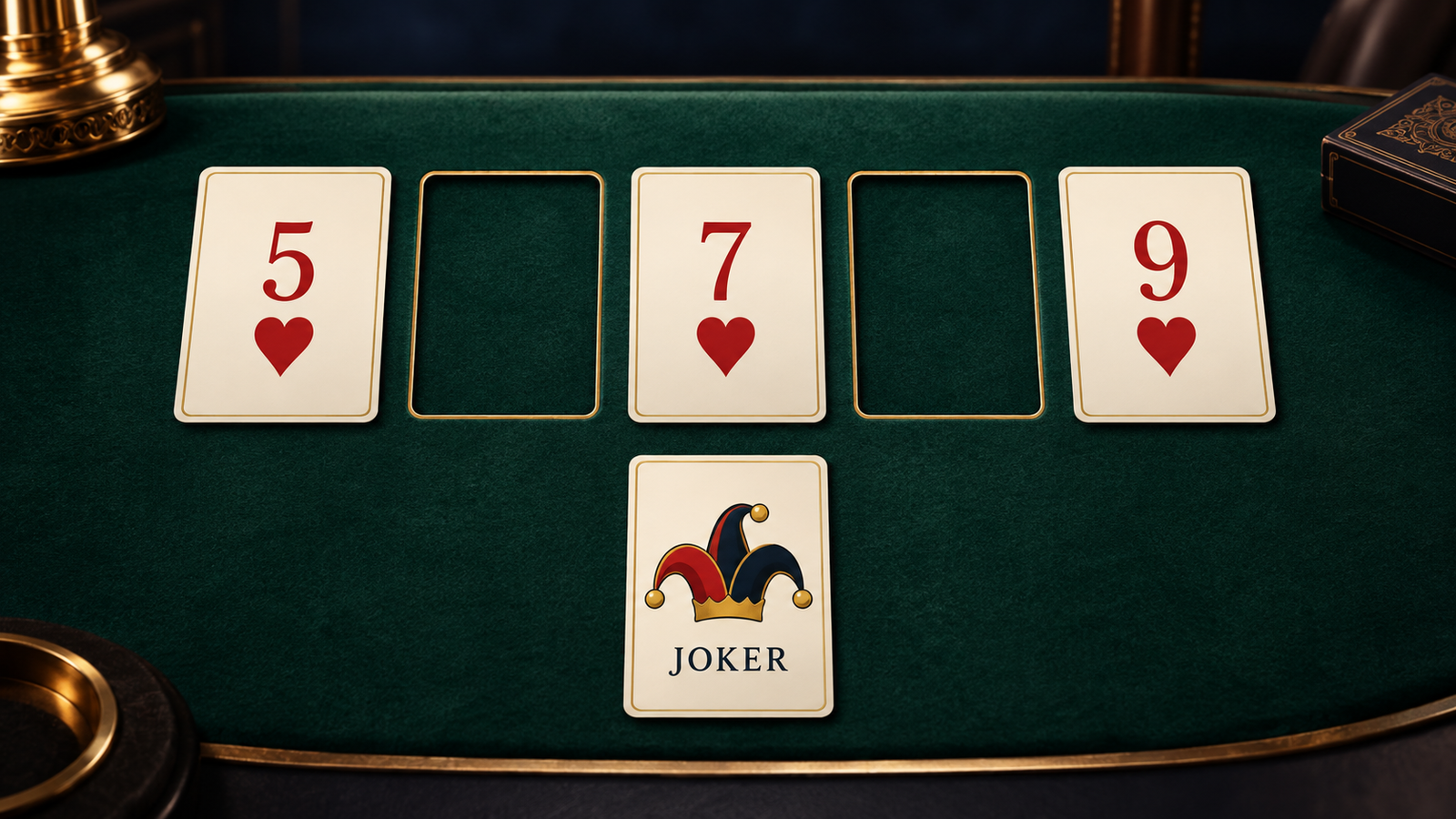 Joker Management
One Joker, Two Gaps: Why the Whole Rummy Run Is Still Incomplete
Three cards of one suit can contain two missing ranks. Assign your Joker to one exact position before calling the group complete.
Read More → Table Observation
Saw the Card You Need? Count Copies Before Abandoning a Rummy Run
Seeing one six of hearts does not settle whether another copy exists. Start with the table rules, then separate known cards from unknown ones.
Read More → Hand Regrouping
Can a Four-Card Set Supply Your Missing Second Sequence?
A completed four-card set can hide a useful sequence card. Test the whole arrangement before keeping the set intact out of habit.
Read More → Practice Review
Review a Practice Rummy Hand Without Judging Only the Result
A useful practice note explains what you knew when you chose a card. The final result belongs in a separate field.
Read More → Turn Awareness
Resume After an Interruption: Recheck Your Indian Rummy Hand
After a call or connection interruption, confirm the current table state before acting on the hand you remember.
Read More → Table Observation
Opponent Picked Your Discard? Recheck the Next Safe Rummy Card
Treat a face-up pickup as evidence, not certainty, and screen the next discard for nearby suit and rank connections.
Read More →