
Master Rummy News
More app updates, rummy guides, gameplay notes, and responsible gaming articles.
 Hand Evaluation
Low-Point Card or Sequence Connector? Choose What to Keep in Rummy
A two-point card is cheap to hold, but a connected middle card may do more work toward a valid Indian Rummy declaration.
Read More → Sequence Planning
One-Card Gap or Open-Ended Run? Rank the Better Rummy Route
Rank a one-card gap against an open-ended run by counting exact natural outs and checking the hand’s declaration needs.
Read More → Tournament Preparation
Practice This Declaration Checklist Before a Rummy Tournament
Use a repeatable declaration audit in practice hands before tournament play, then confirm the active table and scoring rules.
Read More → Hand Planning
Set Pair or Sequence Pair? Choose the Better Rummy Route
Choose between a set pair and a sequence pair by checking declaration needs, natural completions and the rest of the hand.
Read More → Joker Strategy
Reassign a Joker After a Natural Card Completes the Group
When a natural card replaces a Joker in one group, move the Joker only after auditing the whole 13-card hand.
Read More → Draw Decisions
Use the Immediate-Use Test Before Picking a Discard
Pick a face-up discard for a clear immediate role, then recount the hand instead of relying on a vague future possibility.
Read More → Set Validation
Check Every Suit Before You Count a Rummy Set
Read both rank and suit before declaring a set, especially when multiple decks can produce duplicate cards.
Read More →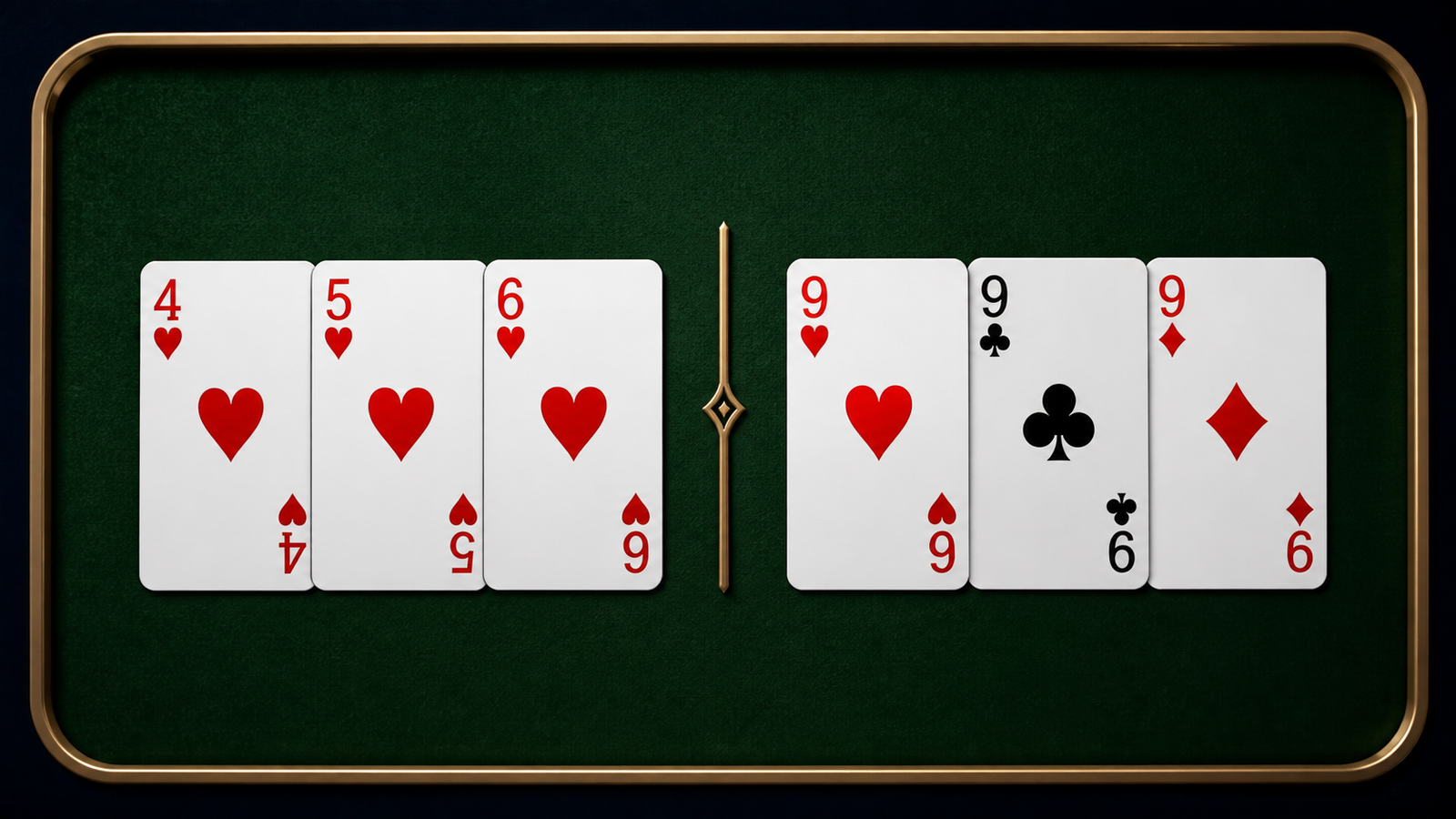 Hand Organisation
Use a Two-Pass Sort to Read Sets and Sequences Clearly
Use a suit-first scan followed by a rank check to see natural sequences, set candidates and loose cards more clearly.
Read More → Sequence Decisions
Keep or Split the Fourth Card in an Indian Rummy Sequence?
Judge a fourth same-suit card by pure-sequence safety, second-sequence needs, natural outs and loose-card points.
Read More →