


Sort Cards on a Small Screen Before You Discard in Rummy
On a crowded hand display, the last step of a good decision is confirming which card the screen actually selected.
Summary: Sort your hand, name the intended discard, then check the highlighted card before acting. The visible control and turn rules vary by table; use the current interface rather than assuming a tap can be undone.
Finish the hand decision before the tap
Start with the cards, not the control. Mark your pure sequence route and the groups you want to keep. Then identify one specific card to discard. If your plan changes after a draw, review the hand again before touching the screen.
For example, suppose 6C-7C is a natural pure-sequence route and 9D is an unmatched card. You might decide to discard 9D after checking the rest of the hand and the active rules. That decision is separate from the later question: did the screen select 9D? The example is a partial hand, not a declaration or a universal discard recommendation.
Use a selection pause on a small screen
Card tiles can sit close together on a phone. After you touch the intended card, look for the interface’s selected-card state. Compare the visible rank and suit with the card you named. If they differ, stop and correct the selection according to the current interface before using any discard control.
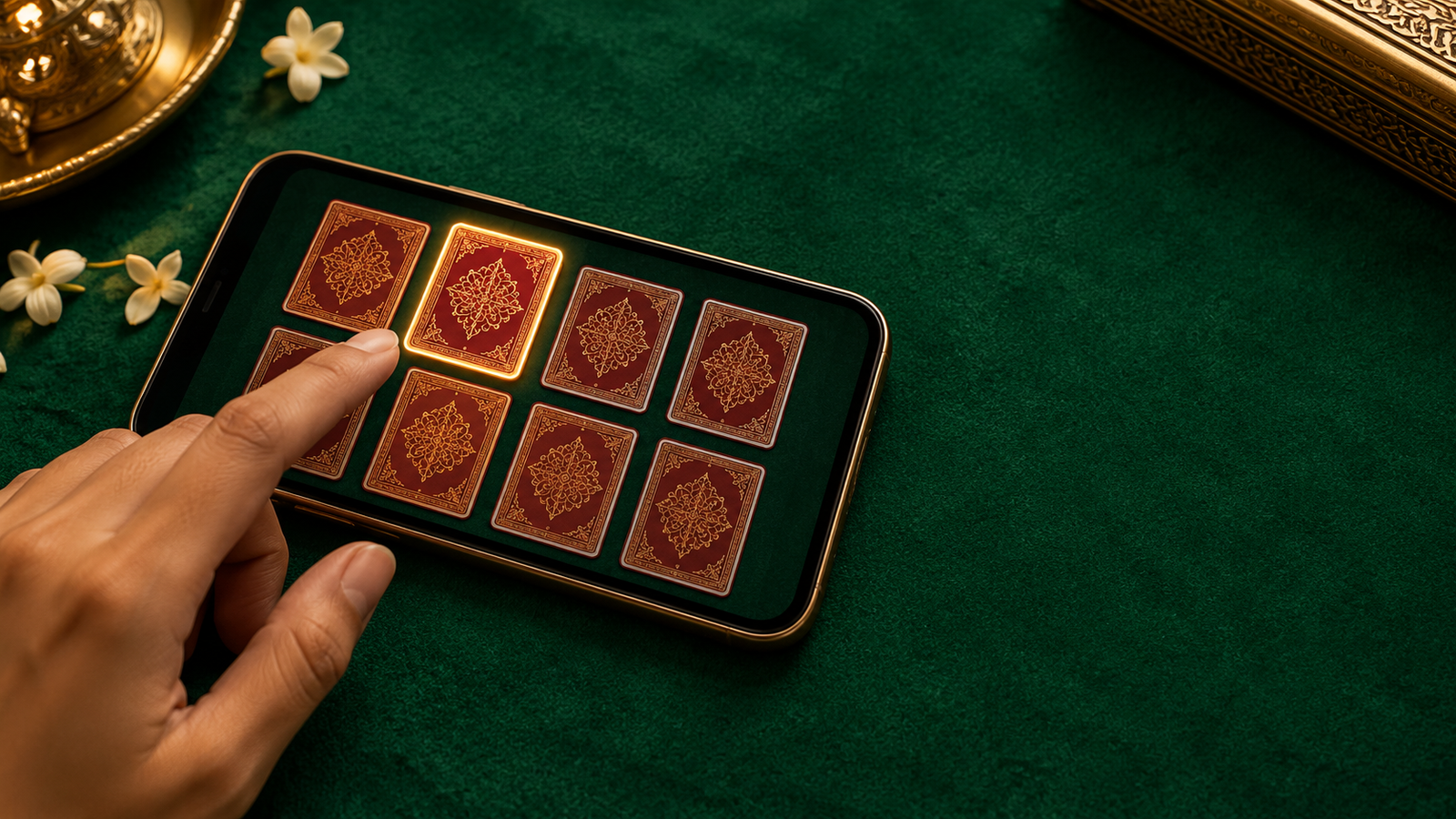
The image illustrates a pause at selection. It does not reproduce a live Master Rummy screen or show a particular button. The two-pass sorting guide helps you group the cards; the post-draw audit helps decide which card you meant to select.
Recheck after a layout change
A new draw, a regrouped hand or an interrupted session can change what you see. Do not rely on where a card used to be on the screen. Read the current rank and suit again, and check whether the selected highlight follows the card you intend. If the interface provides a review or confirmation step, use it; do not assume that every table has one or that an action can be reversed.
Before a declaration, switch from the single-card check to a full hand check. Verify the required pure sequence, a second sequence, every physical card and the active table’s rules. The rules guide covers grouping, while this routine covers the final screen interaction.
A five-step tap checklist
- Sort the current hand and name the intended discard by rank and suit.
- Check the pure sequence and the groups you are protecting.
- Touch the intended card and pause.
- Confirm the selected card is the one you named.
- Read the current table control before completing the action.
18+ only. Practise responsible play, set time and budget limits, take breaks and do not chase losses. Follow local laws and active table rules. Read the responsible gaming guide.
FAQ
Does sorting cards choose the best discard for me?
No. Sorting makes the hand easier to read. You still need to evaluate the pure sequence, the rest of the hand and the active rules before choosing a card.
What if the selected card is not the one I intended?
Pause and correct the selection using the current interface before using the discard control. Do not assume the action can be reversed later.
Does a selected-card check replace a declaration check?
No. A declaration needs a separate review of the complete hand, including the pure sequence, second sequence and all physical cards.
Glossary
Responsible play note
Indian Rummy is a skill-based card game, but no article, checklist, or tournament routine can guarantee results. Use these guides to improve decisions, keep time and budget limits, and follow the laws and table rules that apply in your location.