
Latest posts
-
After the Draw: A Three-Question Indian Rummy Discard Audit
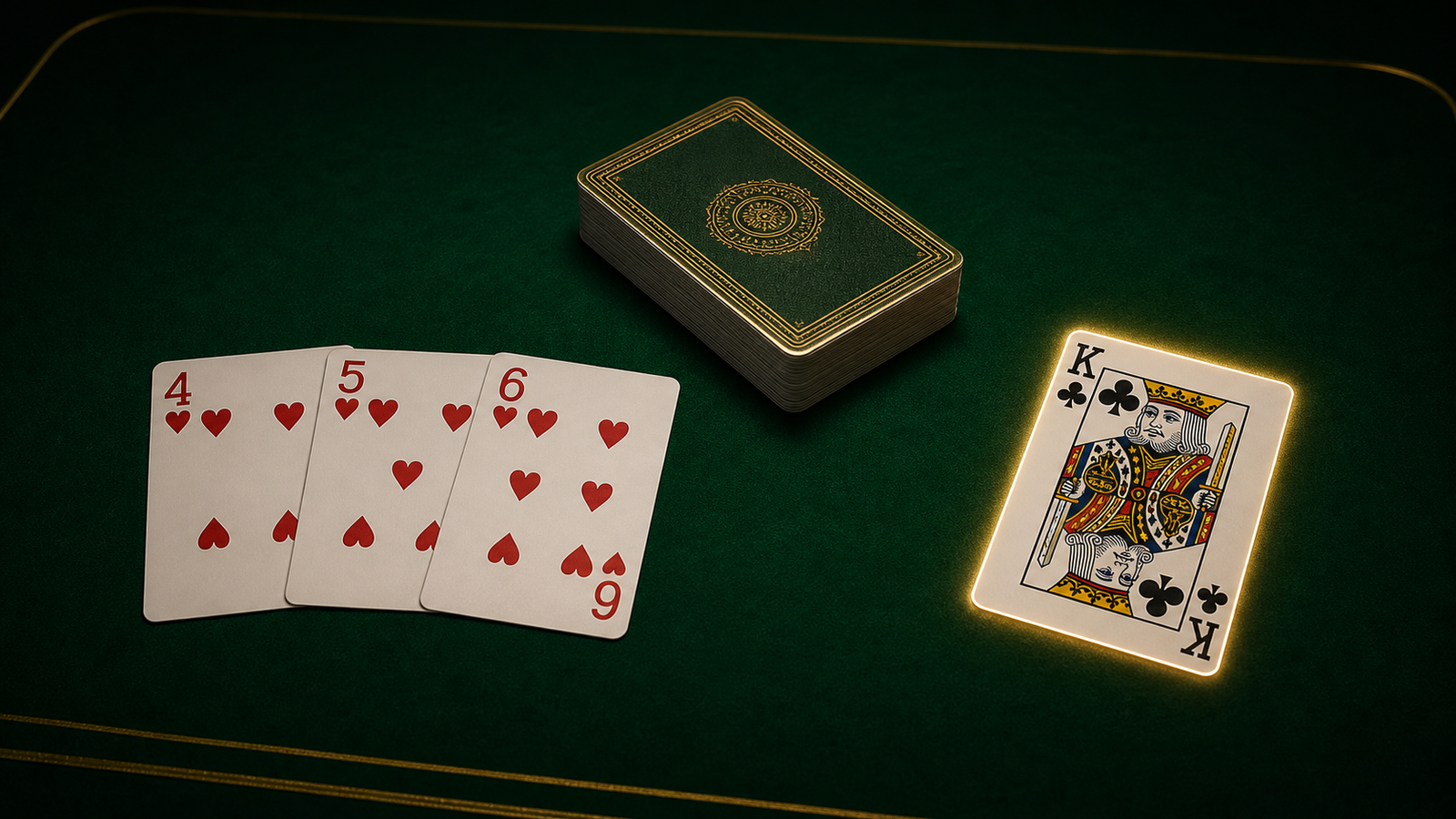
Check structure, point exposure and visible table signals before choosing the one card to release after a draw.
-
Open Discard or Closed Deck? An Indian Rummy Pickup Decision Guide
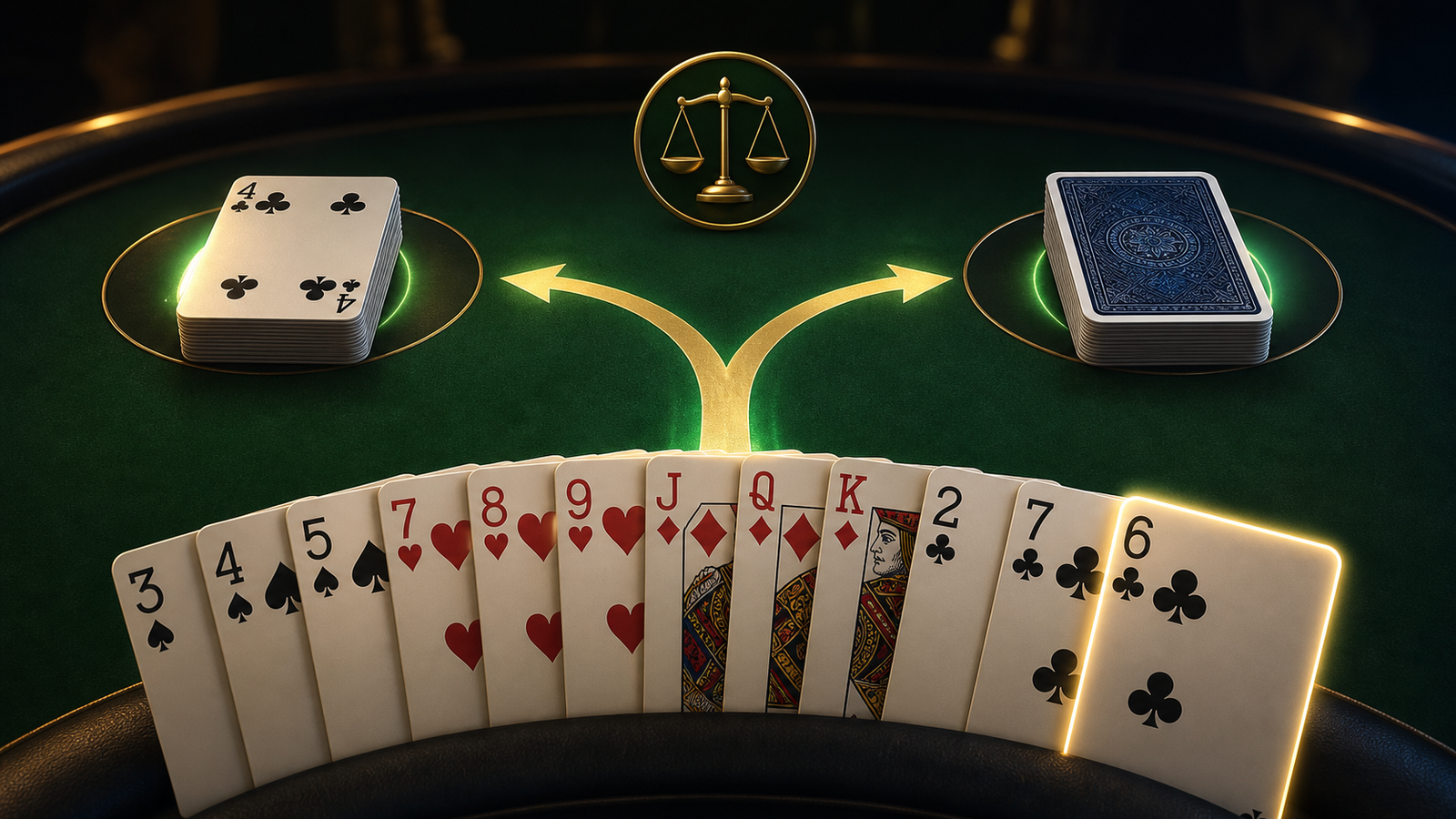
Compare immediate meld value, pure-sequence progress, information cost and discard safety before taking the visible open card.
-
High-Card Point Reduction in Indian Rummy: A Two-Pass Checklist

Compare sequence connectivity, visible pickup signals and point exposure before releasing an ace or face card from an Indian Rummy hand.
-
Printed Joker Allocation in Indian Rummy: A Constraint-First Guide
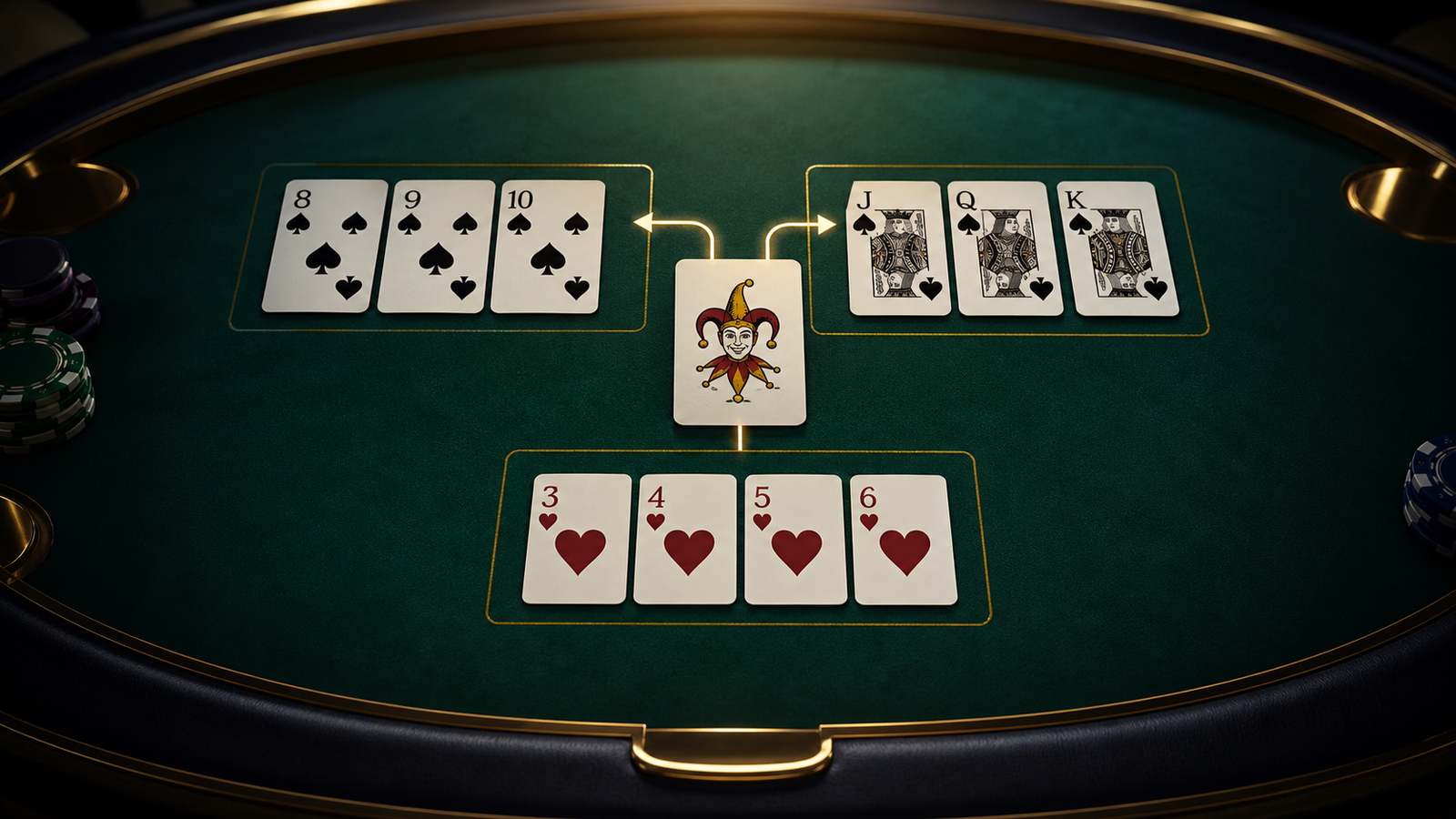
Use a constraint-first checklist to allocate a printed Joker without weakening your pure sequence or chasing an easy but low-value meld.
-
Ace Sequence Rules in Indian Rummy: A-2-3 or Q-K-A?
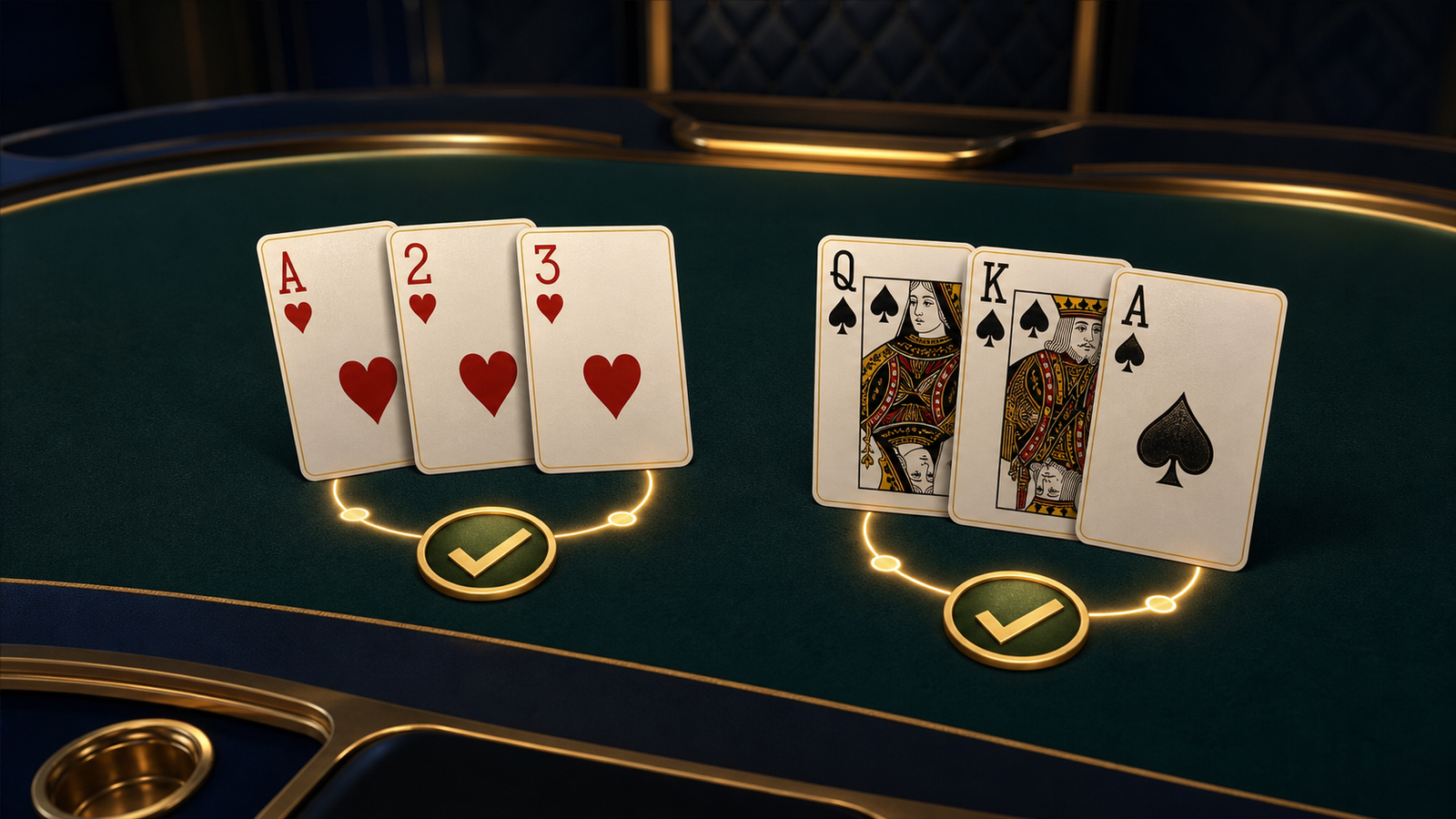
Compare low-ace and high-ace sequence examples without mixing Indian Rummy rules with Gin Rummy conventions.
-
First-Turn Drop Decision in Points Rummy: A Practical Checklist
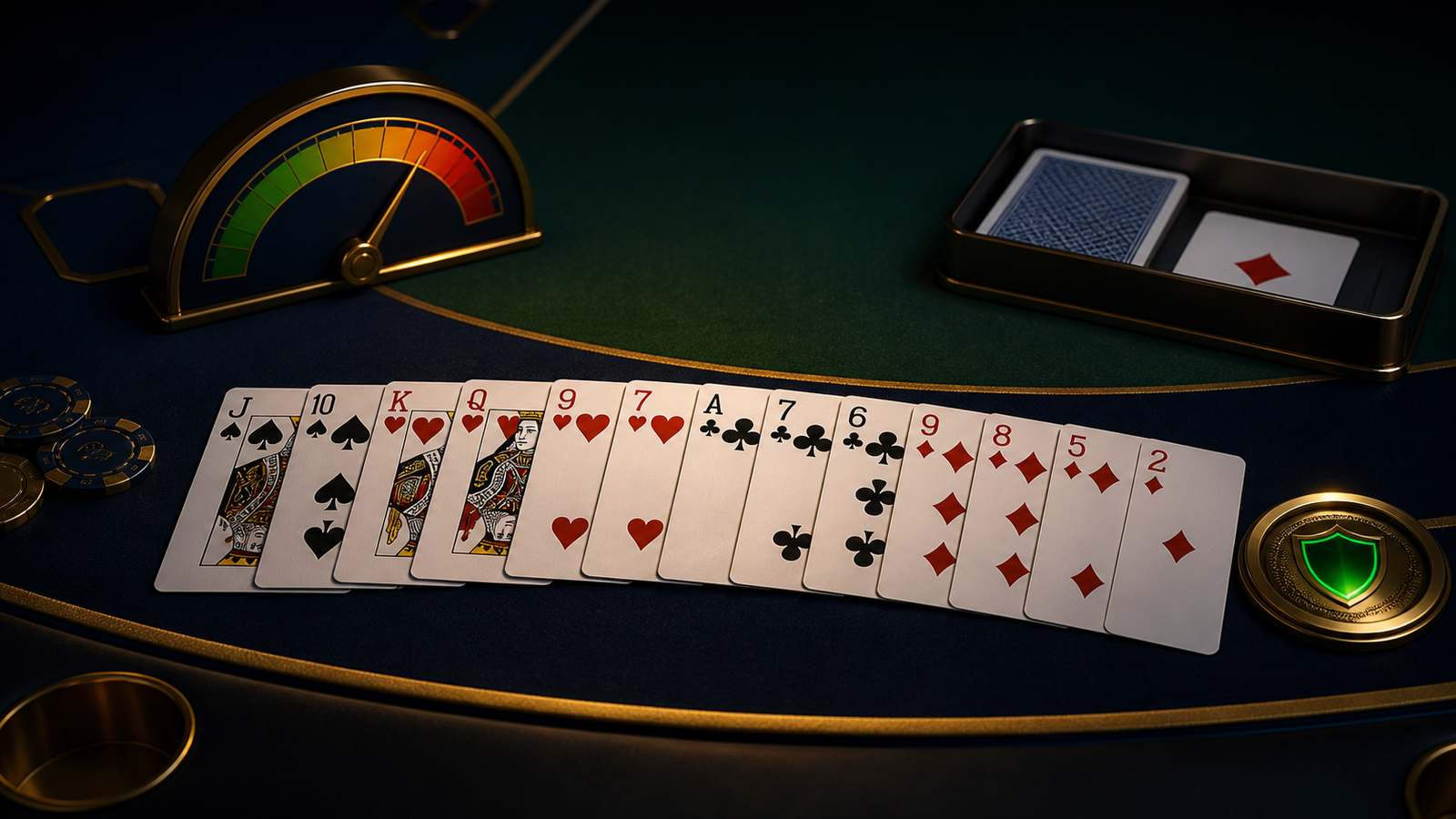
Use a structured opening-hand check before continuing or taking an available first-turn drop in points Indian Rummy.
-
Track Discards by Suit: A Simple Indian Rummy Observation System

Track discard flow by suit, recent pickups, and blocked connectors to make more disciplined Indian Rummy decisions.
-
Protect Two Sequence Routes After Your Pure Sequence in Indian Rummy
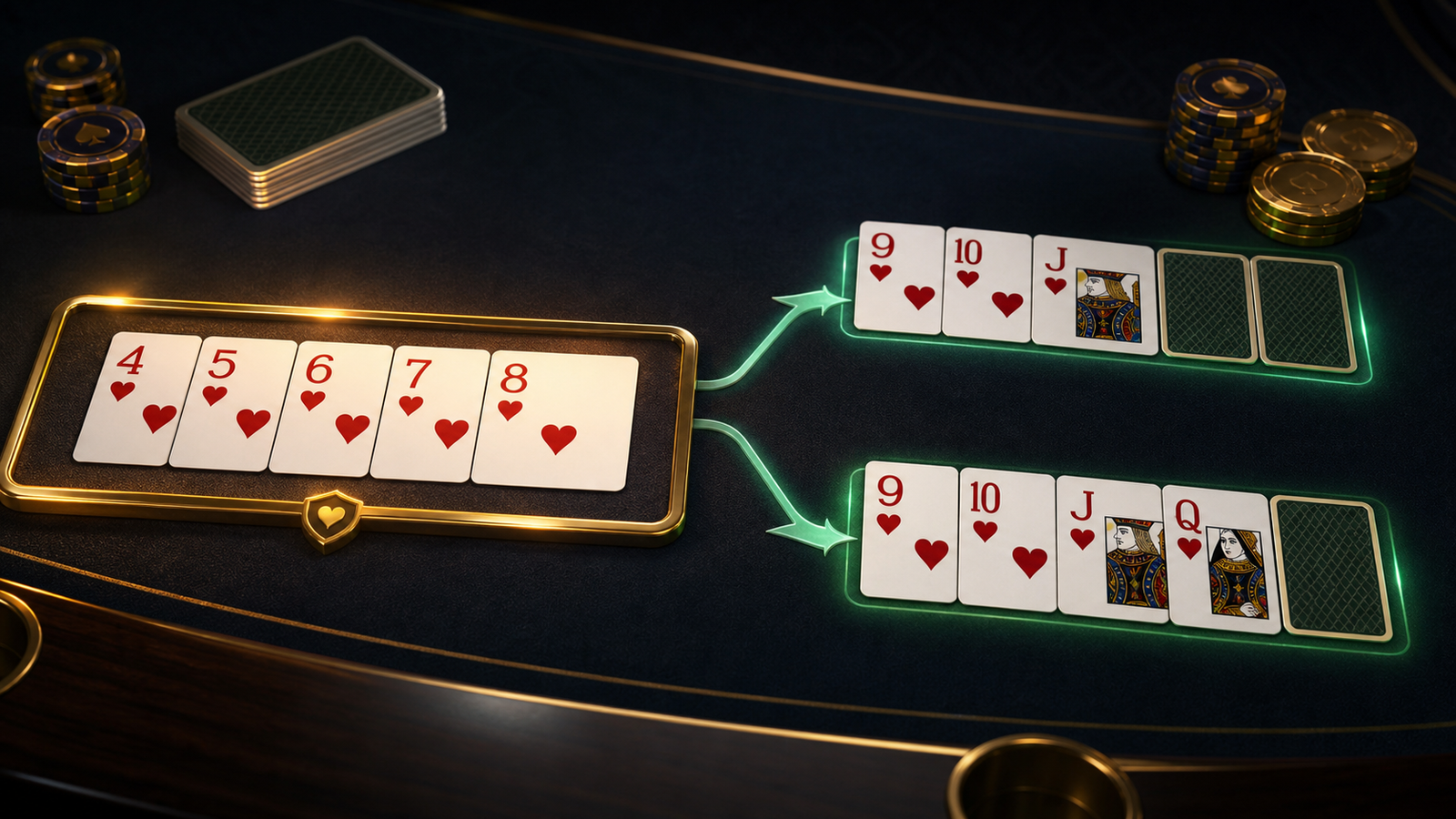
Use a two-route framework to compare connectors, natural outs, Joker flexibility, and point exposure after completing a pure sequence.
-
Declaration-Ready Hand Audit: A Final Indian Rummy Checklist

Run a calm final hand audit to catch invalid groups, Joker mistakes, and overlooked unmatched cards before declaring.
-
Completion Distance in Indian Rummy: One Gap or a Two-Card Chase?
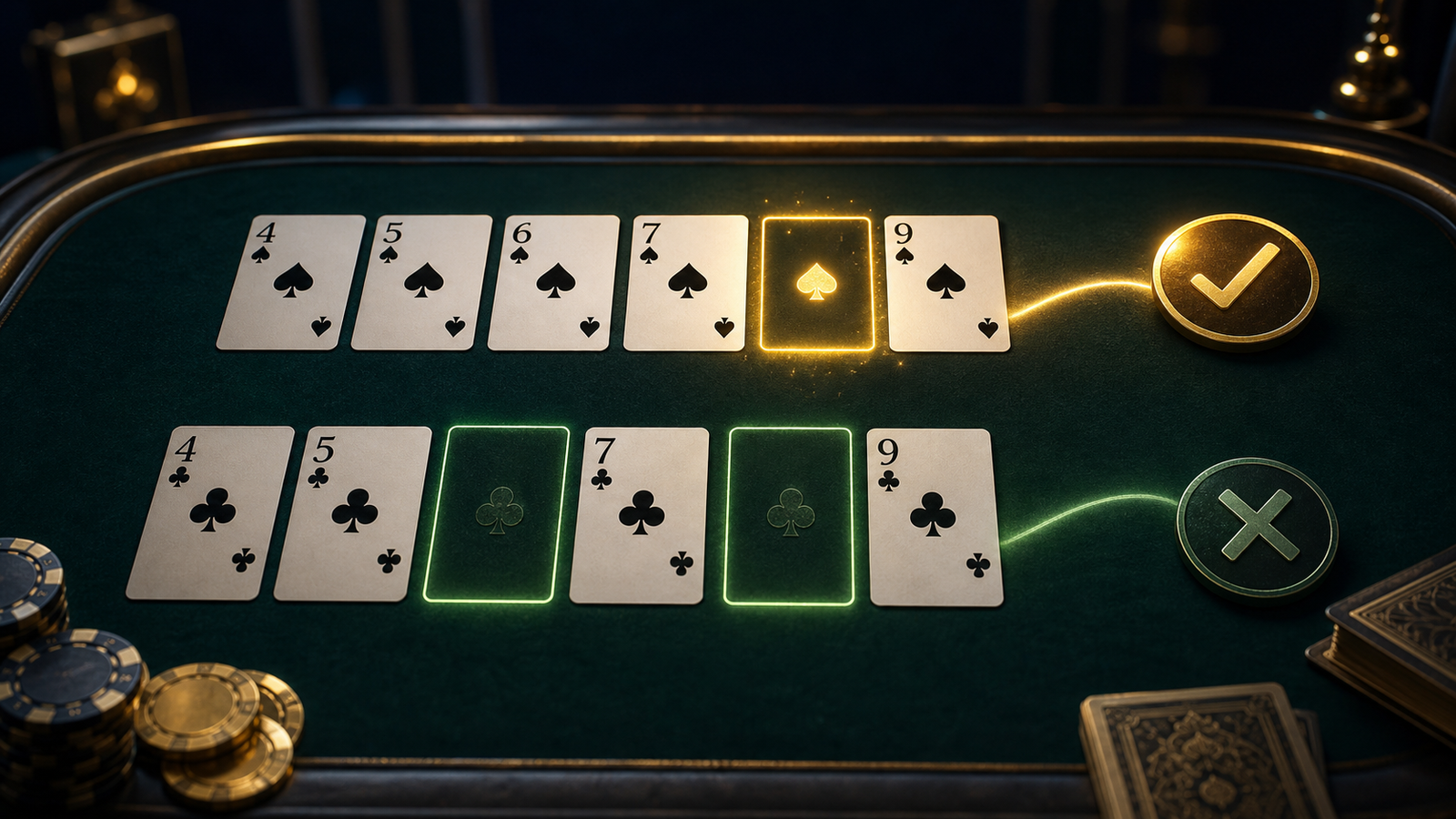
Use completion distance and natural outs to choose between a one-gap sequence and a weaker route that still needs two cards.