Latest posts
-
High-Card Sequence vs Point Risk in Indian Rummy
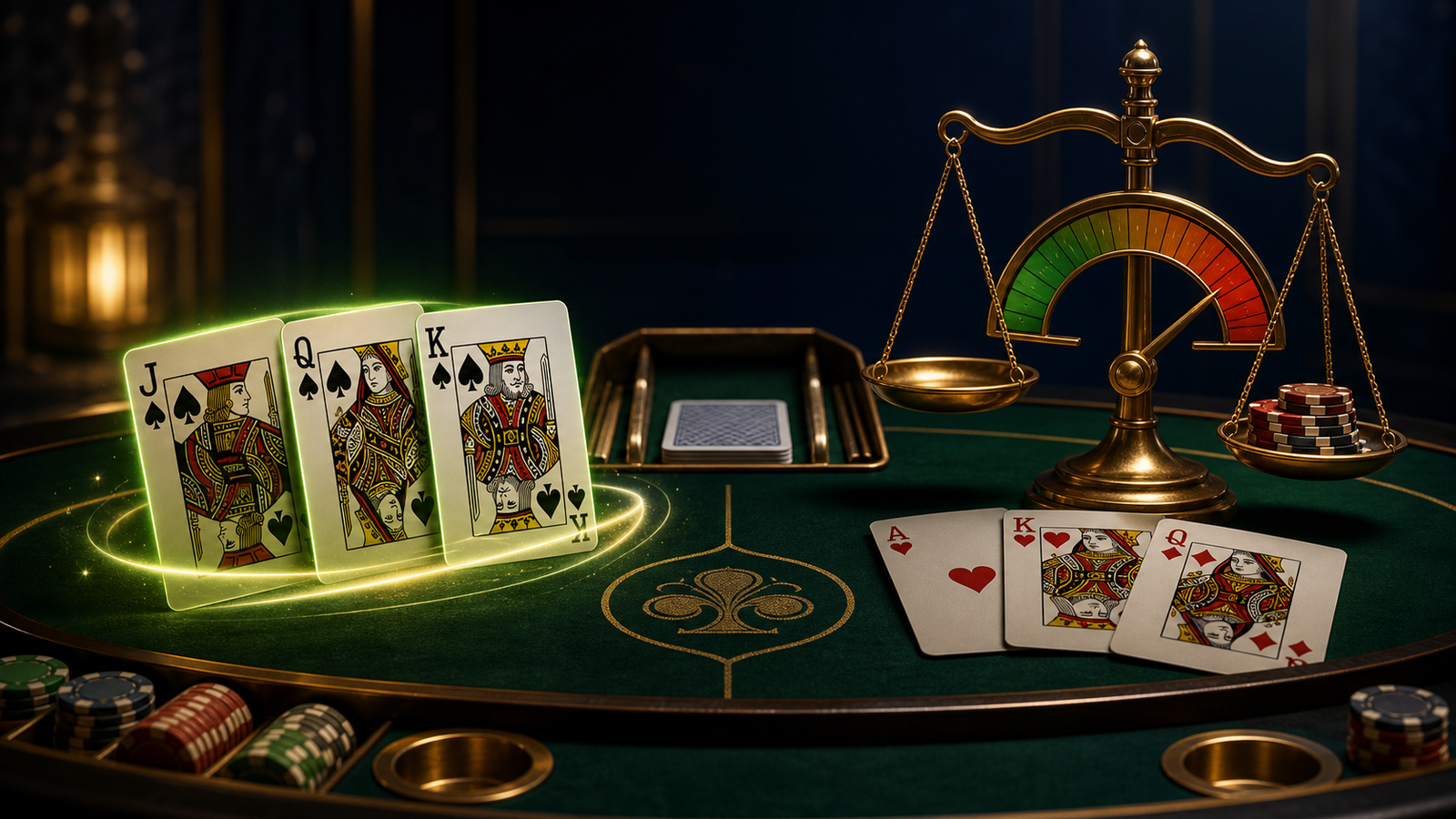
Learn when a connected high-card run deserves patience and when isolated picture cards should be released to reduce point exposure.
-
Duplicate Cards in Indian Rummy: Keep, Split, or Discard?
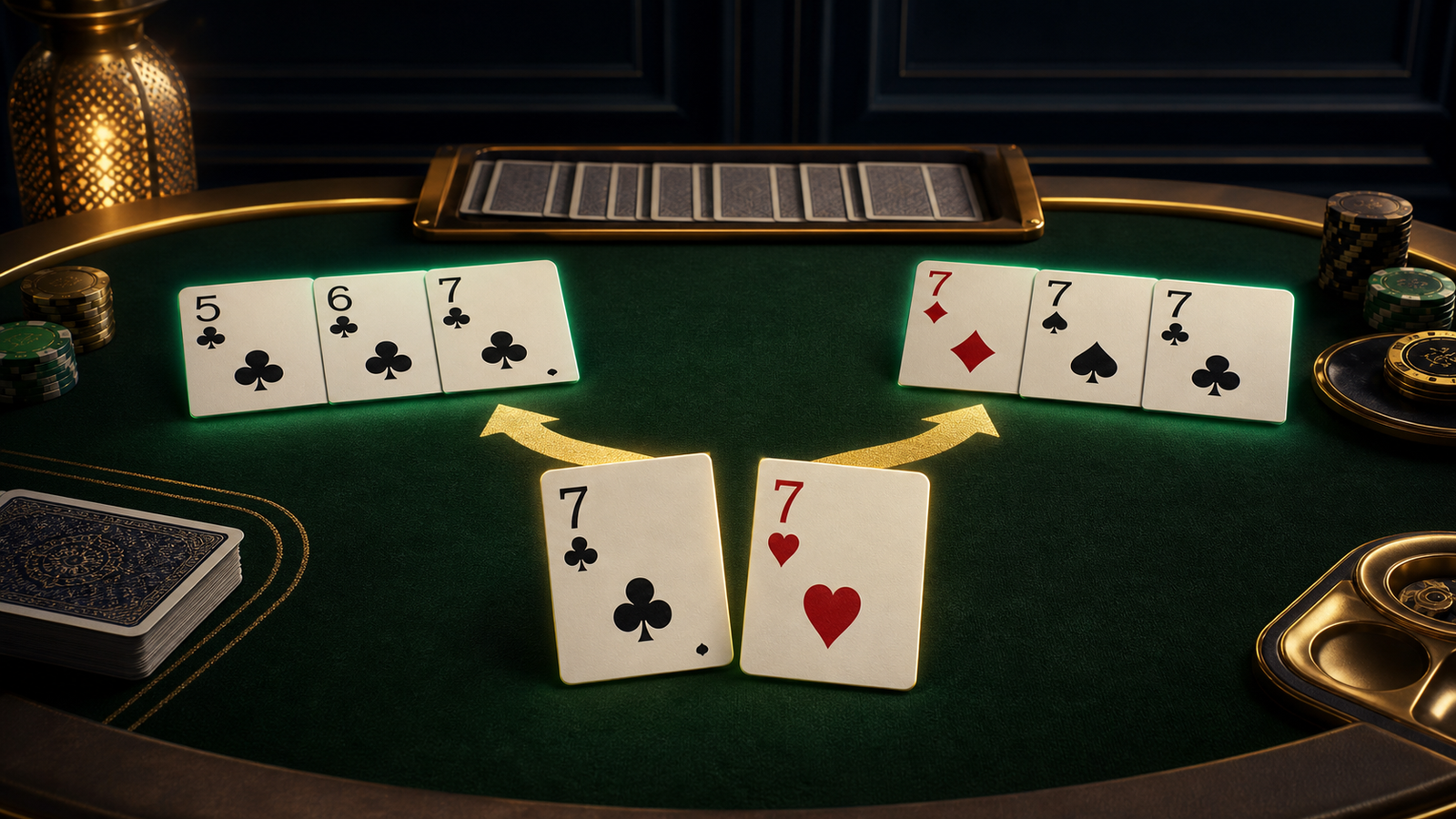
Learn how duplicate-rank cards can support different suits, compete for hand space, and change value as visible cards and sequence paths develop.
-
When to Break a Pair in Indian Rummy: A Decision Guide
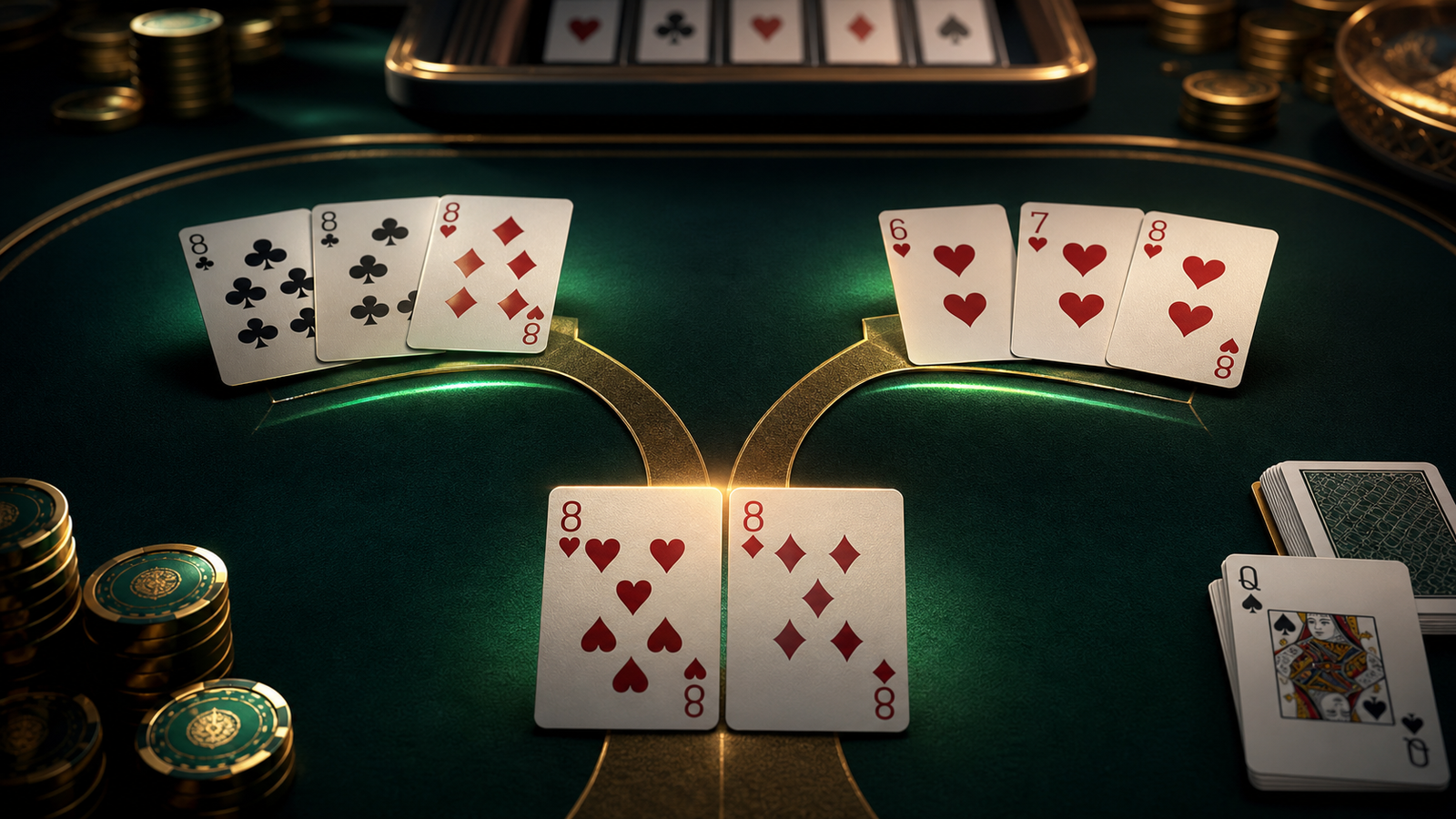
Use connectivity, point risk and discard evidence to decide whether an ungrouped pair still deserves space in your Indian Rummy hand.
-
Open-Ended vs Inside Sequence Draws in Indian Rummy
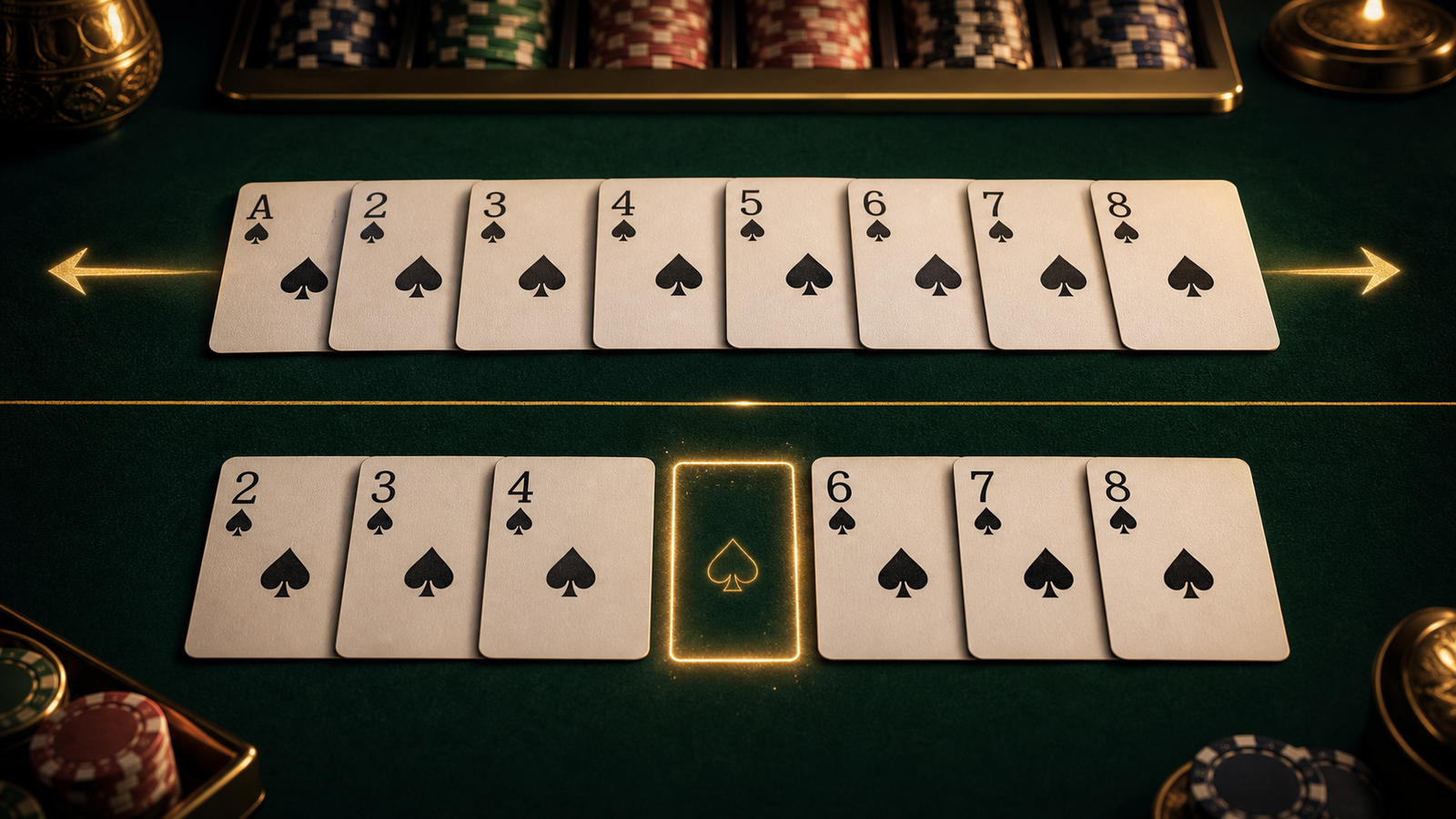
Learn why open-ended same-suit runs usually offer more useful connectors than inside-gap runs, and how to apply that insight without chasing cards blindly.
-
How to Rebuild Sequences After Each Draw in Indian Rummy
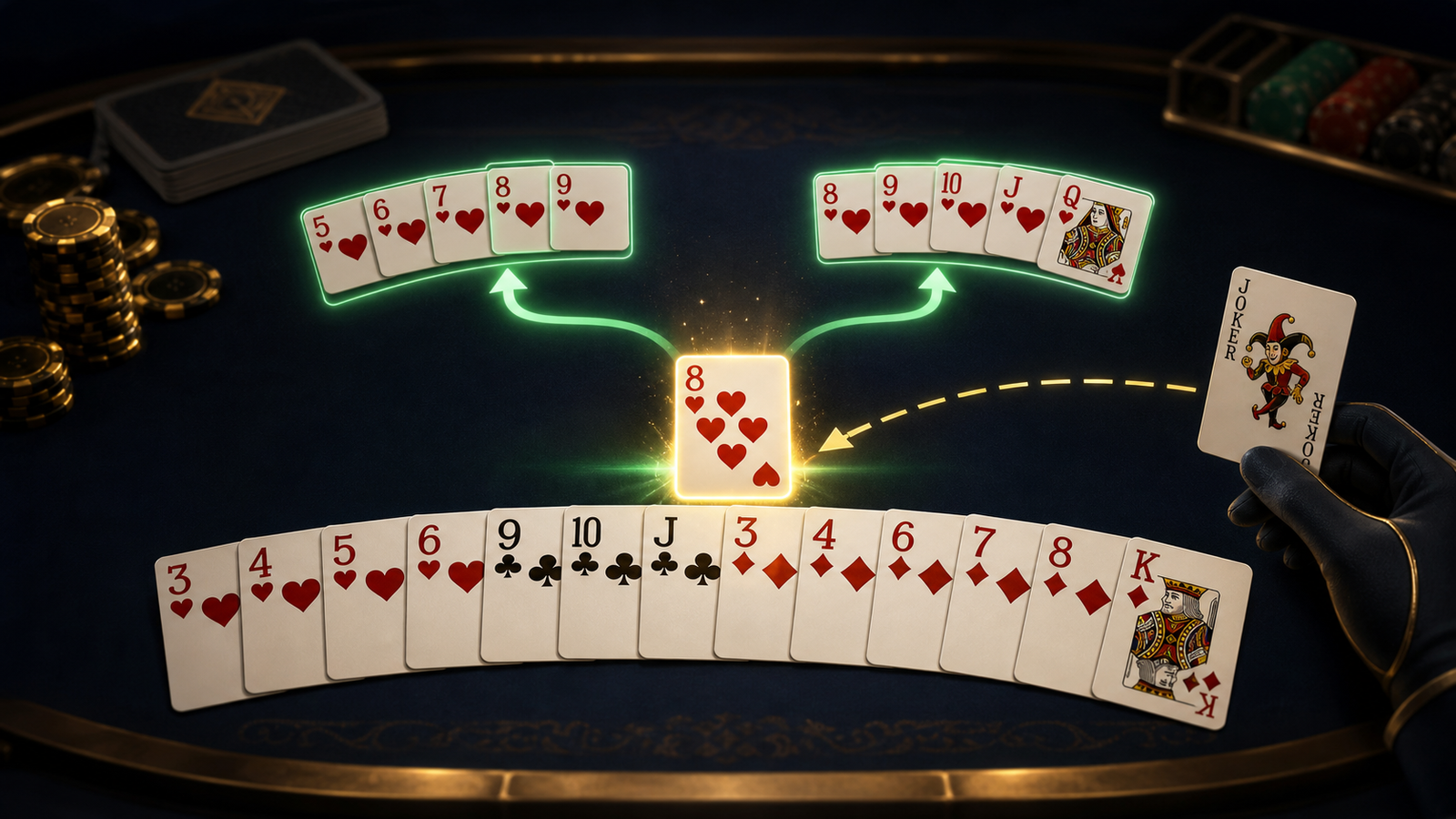
Use a draw-by-draw Indian Rummy sequence framework to protect pure sequence progress, rebuild flexible groups, and avoid common Joker mistakes.
-
How to Reduce Points After a Bad Draw in Indian Rummy
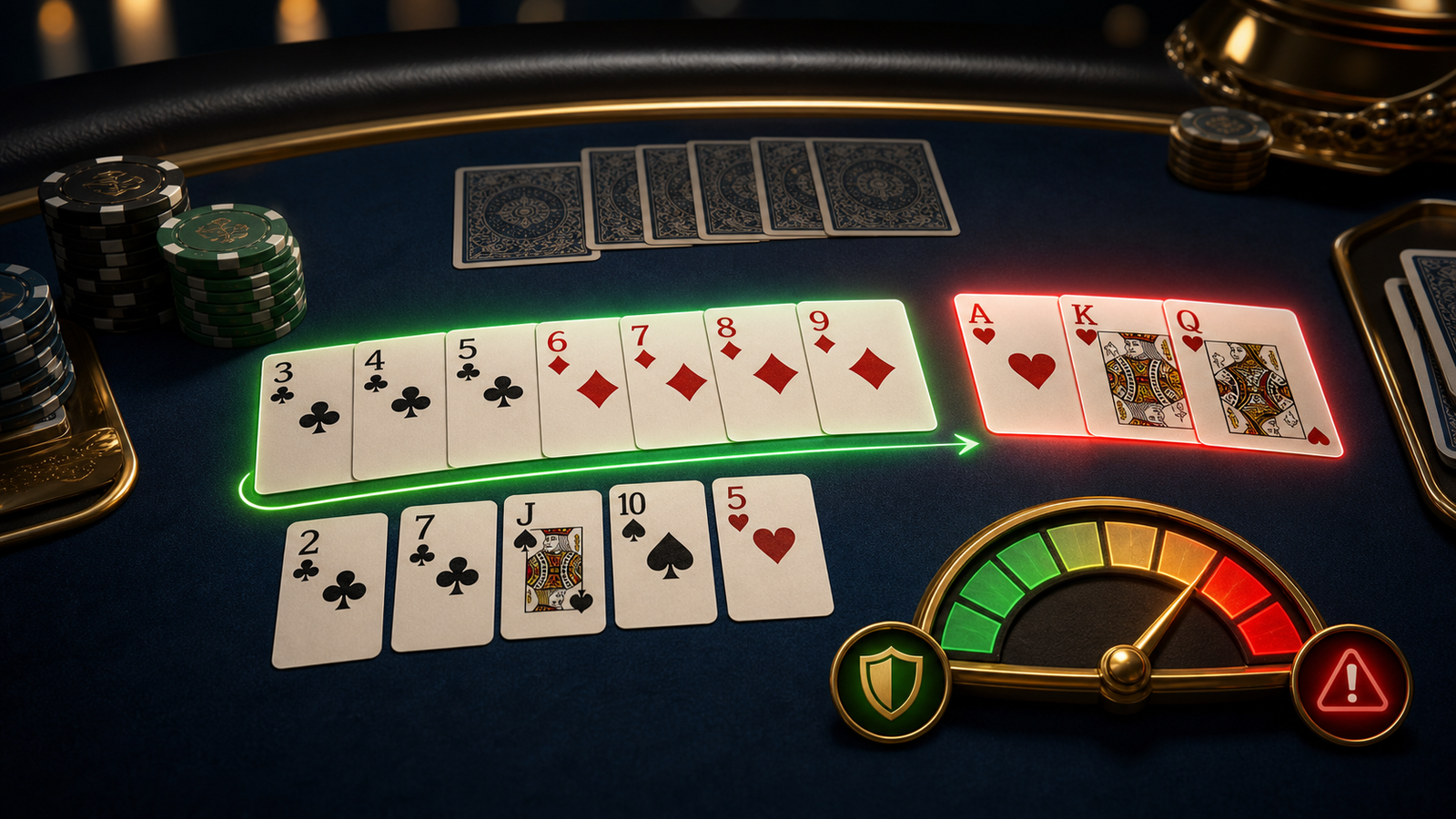
Learn how to reduce point exposure after a weak draw in 13-card Indian Rummy without breaking your pure sequence path or making rushed discards.
-
Safe Discard Signals in Indian Rummy: What to Watch Before You Throw

Use practical safe-discard signals to read pickups, avoid obvious connector gifts, reduce high-card pressure, and make calmer Indian Rummy decisions.
-
First Discard Decision Framework for Indian Rummy Beginners
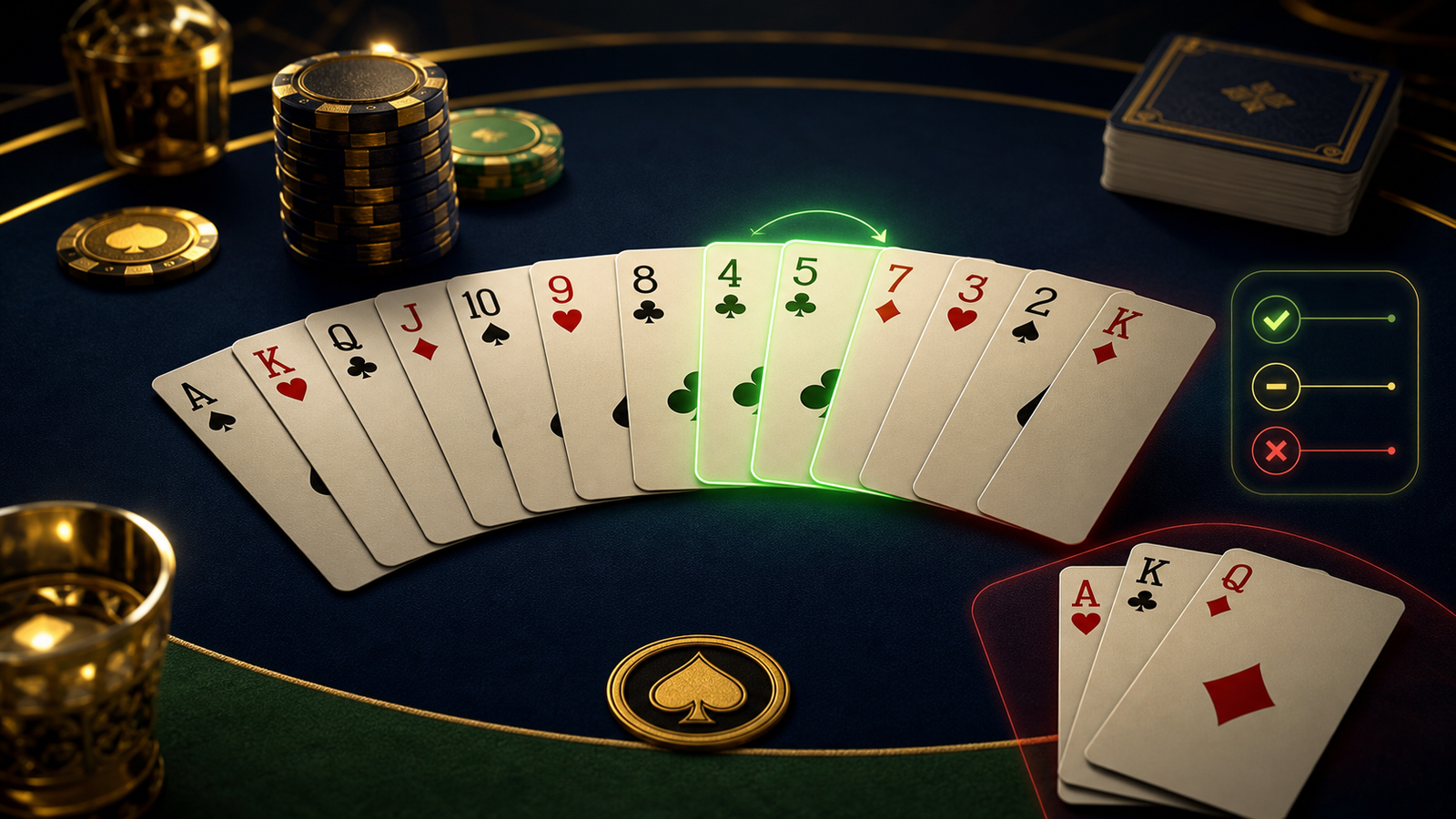
Learn how to choose your first discard in 13-card Indian Rummy with a beginner-friendly framework for pure sequence planning, point control, Joker use, and table-rule caveats.
-
Indian Rummy Tournament Preparation: A Practical Checklist Before You Play
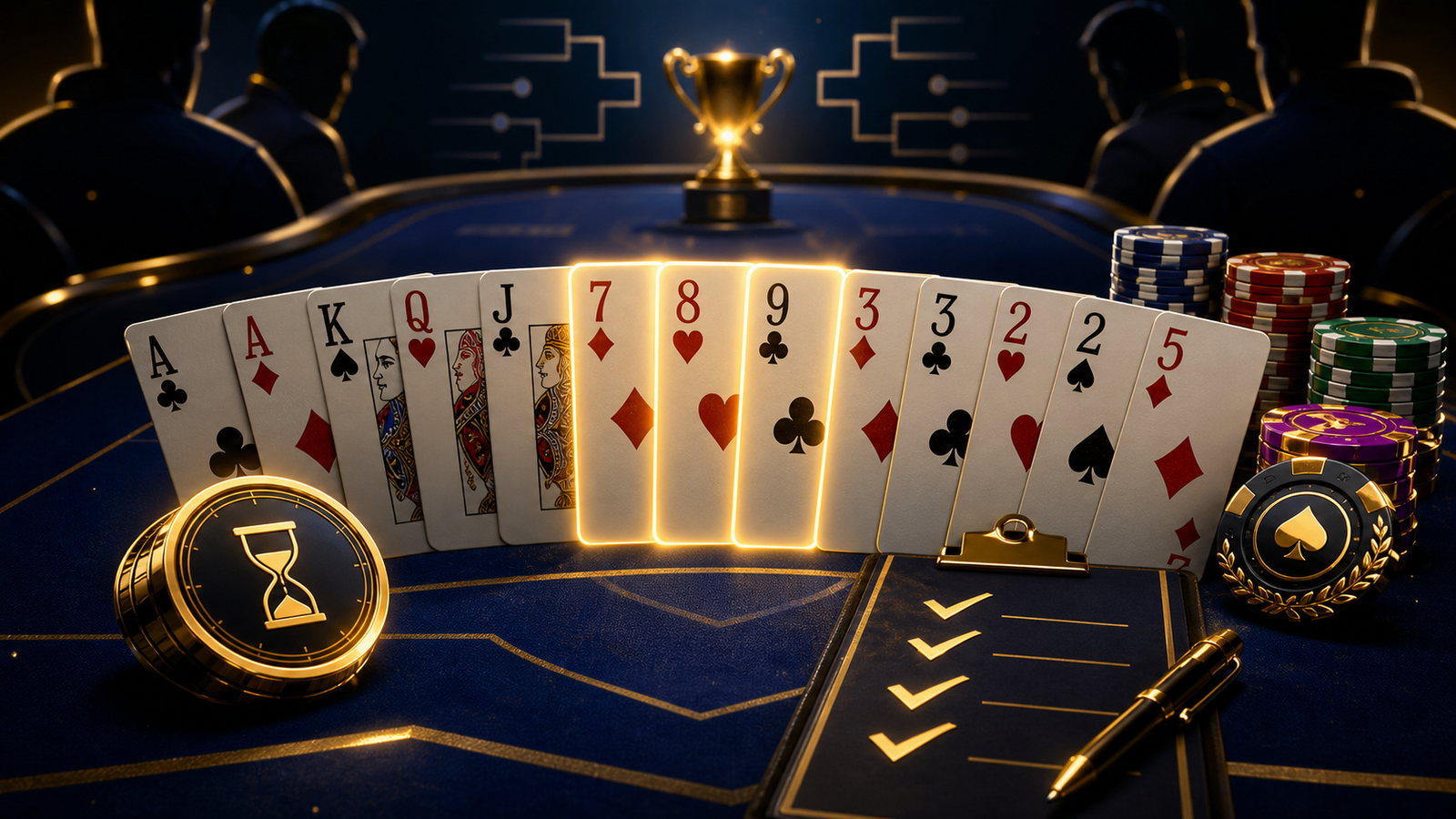
Prepare for Indian Rummy tournaments with a practical checklist for rule review, opening hand discipline, discard reading, point control, and responsible play limits.
-
Meld in Rummy Meaning: How Indian Rummy Players Build Valid Groups
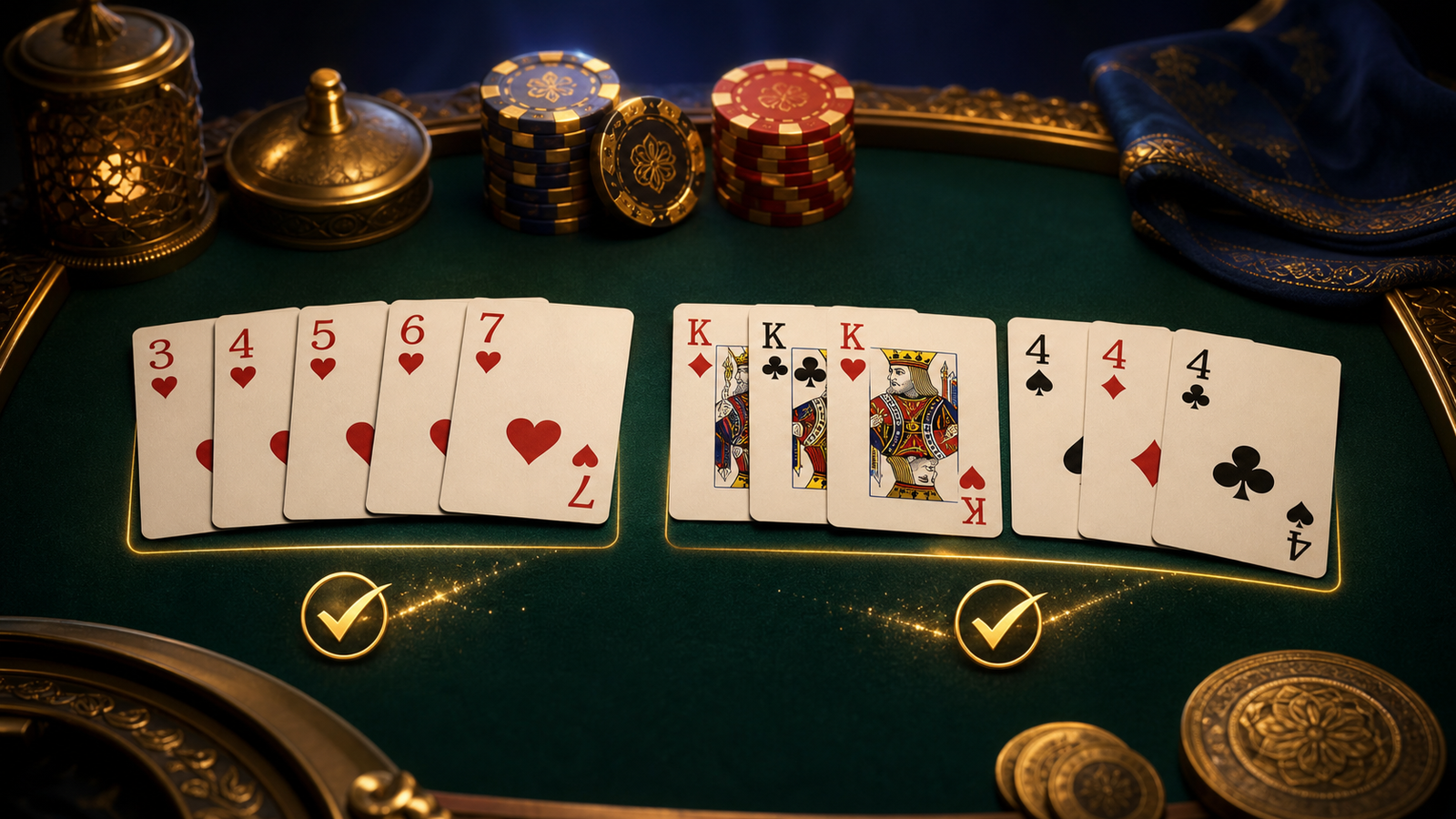
Learn what meld means in Rummy, how it maps to Indian Rummy sequences and sets, and how beginners can group a 13-card hand without confusing Gin Rummy terms.