
New to Indian Rummy? A Step-by-Step Guide for Absolute Beginners
Do not let 13 cards intimidate you. Learn the objective, pure sequence rule, and first-table habits before joining your first online Rummy game.
Summary: Indian Rummy becomes easier once you understand the basic objective: arrange 13 cards into valid sequences and sets, then declare only when the hand is complete.
Start with the objective
Every game begins with 13 cards dealt by a secure automated dealer. Your goal is to group those cards into valid combinations while reducing deadwood and watching what other players discard.
Form a Pure Sequence
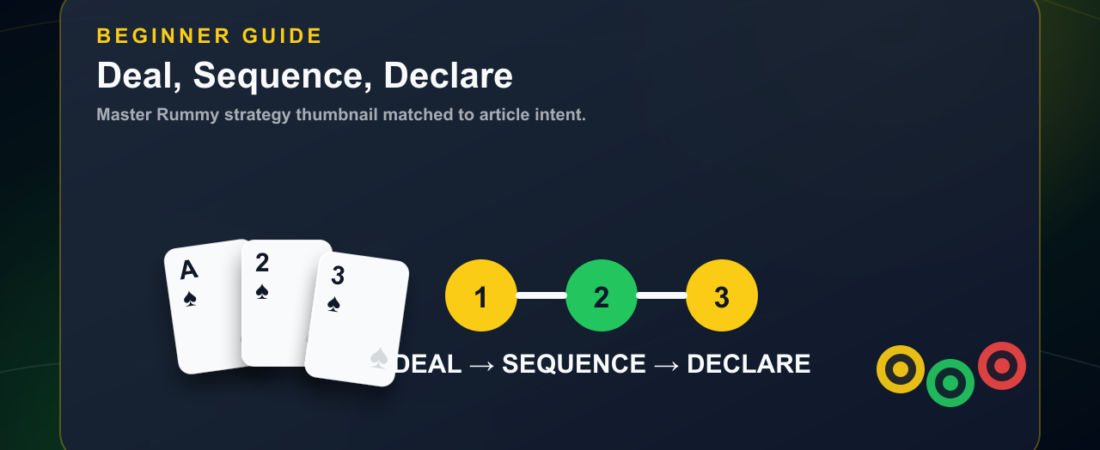
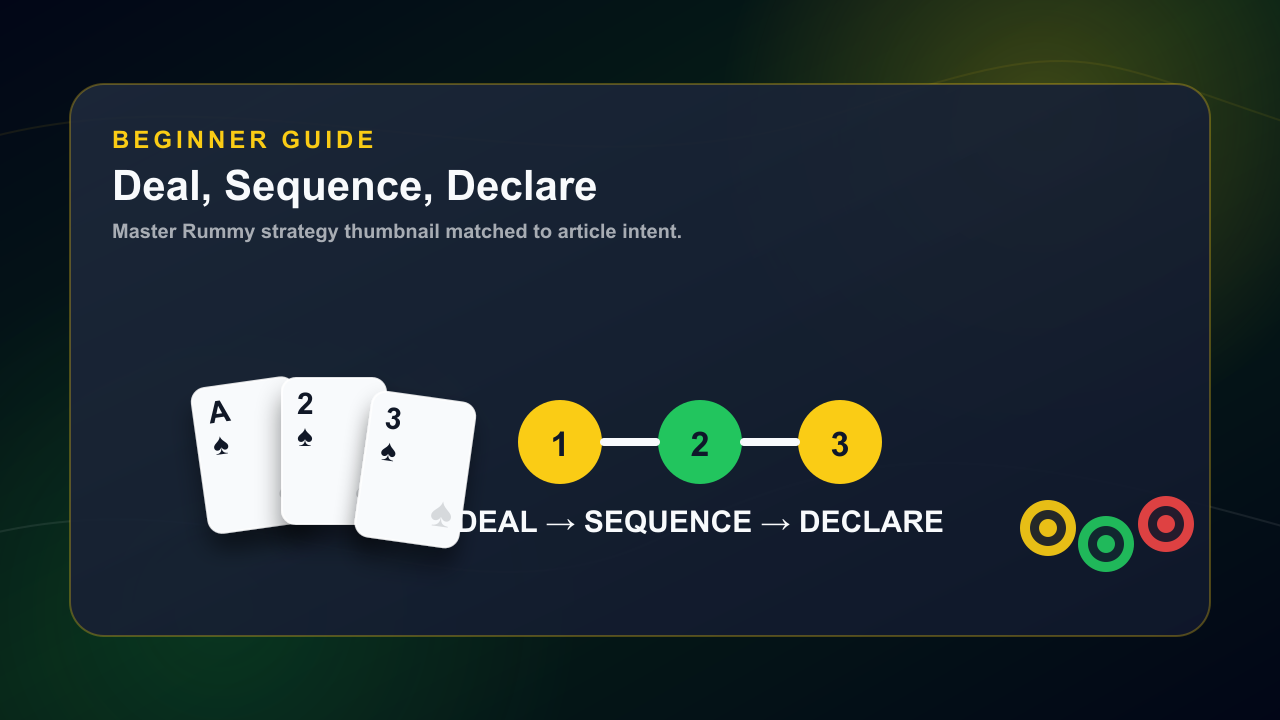
A pure sequence uses three or more consecutive cards of the same suit without any Joker. It is the foundation of a valid declaration.
Build Sets and Extra Sequences
After the pure sequence, organize remaining cards into sets or additional sequences so your hand becomes easier to read and declare.
Use Jokers Carefully
Jokers can complete impure sequences or sets, but they should not distract you from creating the required pure sequence first.
Declare Only After Checking
Before declaring, review every group carefully. A wrong declaration can cost points even if most of the hand looks complete.
Practice before competitive play
When you log in, start on practice-friendly tables to get comfortable with drawing, discarding, and auto-sort. Once the structure feels natural, you can approach real-player tables with more confidence.
Use the official download page for Android access and future iOS availability.